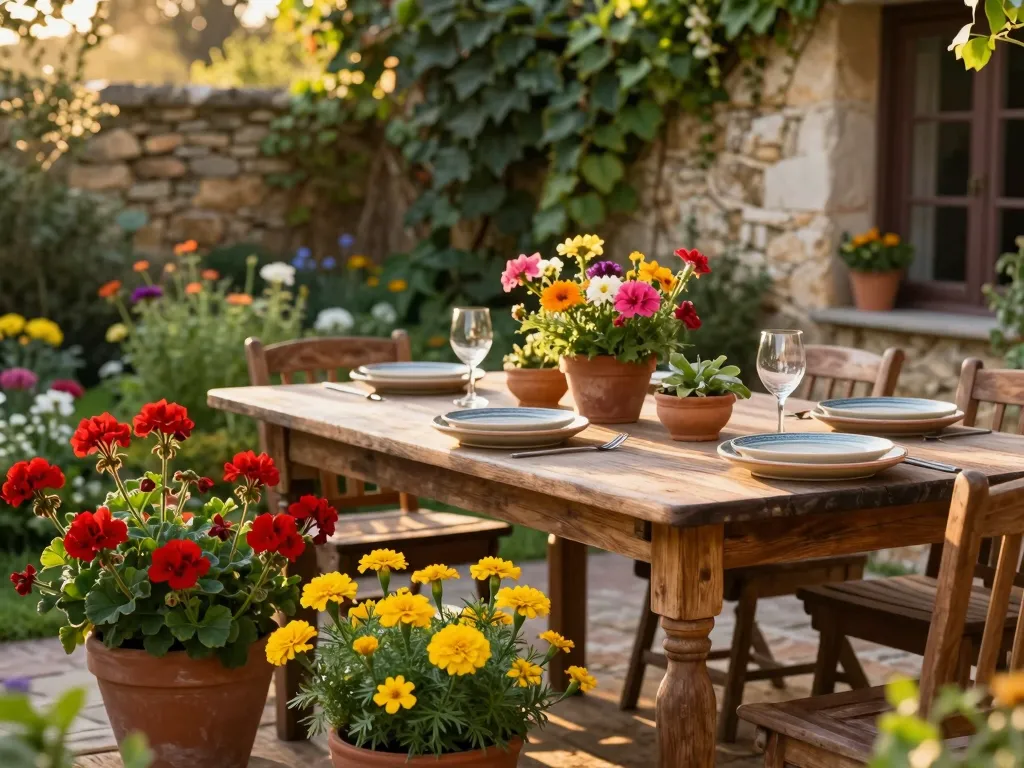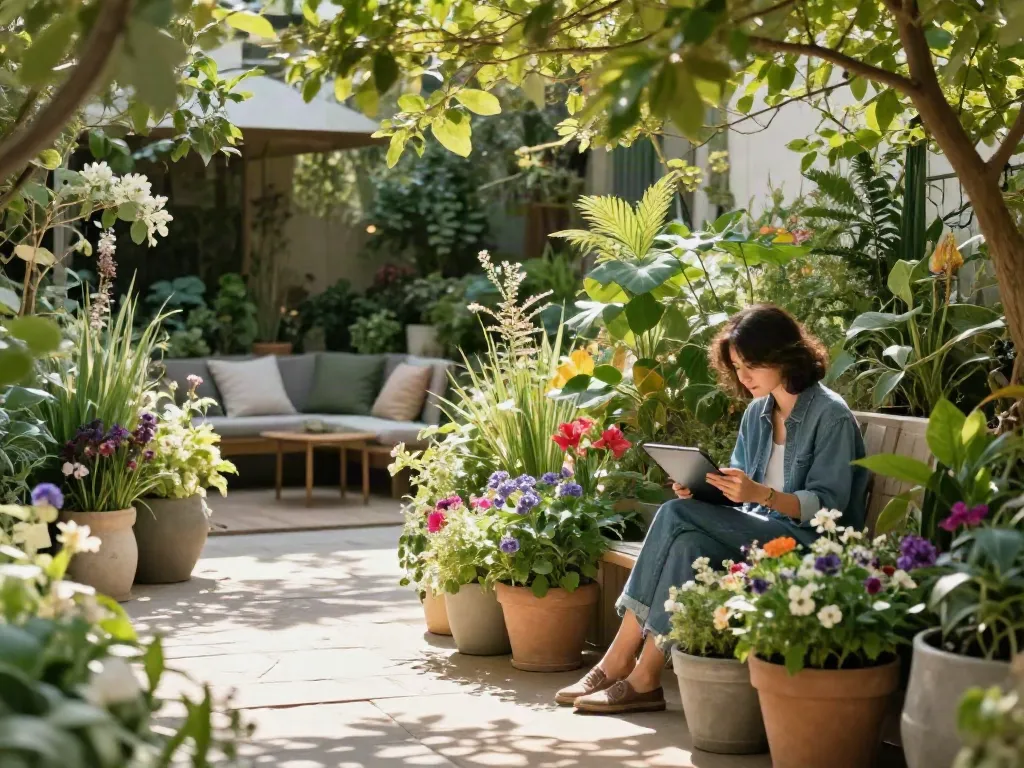
Introduction to Outdoor Planters
Outdoor planters are more than just decorative elements in gardens, patios, and balconies; they are essential tools for enhancing the beauty of any outdoor space while aiding in the cultivation of plants. By strategically incorporating planters into your landscape design, you can create stunning visual focal points, define spaces, and even improve your home's curb appeal. With a wide variety of styles, materials, and sizes available, it’s crucial to understand how to choose the right planter for your specific needs. To truly appreciate the options available, be sure to browse the full collection of outdoor planters that can complement any garden aesthetics.
What Are Outdoor Planters?
Outdoor planters are containers designed specifically for growing plants outside. They come in various shapes, sizes, and materials, allowing for creative expression and functional gardening. From large statement planters that serve as the centerpiece of a garden to smaller pots perfect for window sills, outdoor planters are versatile solutions that can adapt to any setting. They allow gardeners to manage growth conditions better and can be a wonderful addition to urban spaces where soil options are limited.
The Importance of Choosing the Right Planter
Selecting the appropriate planter is critical for the health of the plants you intend to grow. Different plants have varying requirements for soil depth, drainage, and sunlight. Choosing a planter that meets these requirements ensures your plants thrive. Moreover, the right planter can enhance the overall aesthetic of your outdoor space, contributing to a seamless blend with your landscape design.
Current Trends in Outdoor Planter Design
As outdoor living spaces continue to evolve, so do the designs of outdoor planters. Current trends include geometric shapes, minimalist designs, and eco-friendly materials. There is also a rising popularity in self-watering planters, which offer convenience for busy gardeners. Additionally, integrating planters into outdoor furniture, like bench seating or dining tables, has become a sought-after trend, enhancing multi-functional use in smaller outdoor areas.
Material Matters: Understanding Planter Options
Types of Materials Used in Outdoor Planters
Outdoor planters can be made from a variety of materials, each offering distinct advantages and challenges. Common materials include:
- Wood: Natural and aesthetically pleasing, wood planters blend beautifully into garden settings but require regular treatments to prevent rot.
- Plastic: Lightweight and affordable, these planters are available in many colors and styles but may not be as durable against weather conditions.
- Metal: Offering a modern look, metal planters are durable but can heat up quickly in the sun, potentially harming sensitive root systems.
- Ceramic: Known for their beauty, ceramic pots are heavier and can retain moisture well, but they may chip or crack in freezing conditions.
- Fiberglass: A newer option, fiberglass planters mimic the appearance of stone or wood while being lightweight and resistant to weather extremes.
Durability and Weather Resistance Ratings
When selecting outdoor planters, consider their durability and weather resistance. For example, fiberglass and polyethylene planters are excellent choices for extreme weather conditions, while terracotta or ceramic might crack in colder climates. Assessing the manufacturer's specifications regarding weather resistance can help ensure your investment lasts through various seasons.
Pros and Cons of Different Planter Materials
Each material comes with pros and cons:
- Wood:
- Plastic:
- Metal:
- Ceramic:
- Fiberglass:
Choosing the Perfect Outdoor Planter for Your Space
Assessing Your Garden Style and Needs
Determine your garden style—be it modern, rustic, or eclectic—to select planters that complement your design aesthetic. Consider what plants you want to grow, as this will influence the choice of planter size, material, and drainage options. Mixing styles can create visual interest, but ensure a cohesive theme throughout.
Size and Scale Considerations for Outdoor Planters
The size of your planter should correspond to the plants being grown. Larger plants typically require bigger planters to accommodate root systems, while smaller plants can thrive in petite pots. Scale is equally important; oversized planters can dominate small spaces, while tiny planters might get lost in expansive areas.
Placement Strategies for Maximum Impact
Strategic placement of outdoor planters can enhance your garden's overall look. Grouping planters of varying heights can create layers, drawing the eye upward. Placing planters along pathways can guide visitors through the space, while a single dramatic planter can serve as a focal point in an otherwise empty corner.
Innovative Features in Modern Outdoor Planters
Self-Watering Systems: Are They Worth It?
Self-watering planters have surged in popularity for their convenience, especially for busy gardeners. These planters allow for consistent moisture levels, promoting healthy plant growth and reducing the frequency of watering. Investing in self-watering systems can be particularly beneficial for individuals who travel often or have limited time for garden care.
Smart Planters and Technology Integration
The rise of smart technology has led to the development of smart planters that integrate with mobile apps to monitor moisture levels, light exposure, and temperature. These high-tech options can take the guesswork out of plant care, making them appealing for tech-savvy gardeners who desire data-driven insights into their plants’ health.
Eco-Friendly Options and Sustainability
As sustainability becomes a significant focus for many consumers, eco-friendly planters made from recycled materials or sustainable sources are gaining traction. Options such as biodegradable planters lessens the environmental impact and appeal to environmentally conscious gardeners.
Care and Maintenance of Outdoor Planters
Best Practices for Plant Care in Planters
To ensure your plants thrive, follow best practices such as regular watering based on the plant species, using quality potting soil, and ensuring adequate drainage. Monitor your plants for pests and diseases, addressing any issues promptly to maintain plant health.
Seasonal Maintenance Tips for Longevity
Seasonal changes prompt different maintenance needs for outdoor planters. In cold months, consider bringing sensitive plants indoors or using insulating materials to protect roots from freezing. In the warmer months, ensure adequate watering, particularly for planters exposed to full sun. Regularly clean your planters to prevent algae and mold buildup and check for any damage that may compromise their integrity.
Common Issues and Solutions for Outdoor Planters
Despite careful planning, issues may arise with outdoor planters. Common problems include root rot due to overwatering, poor drainage, and pest infestations. To address these, ensure your planters have adequate drainage holes, adjust your watering schedule based on plant needs and consider using organic pest deterrents to safeguard your garden.
What should I consider when choosing outdoor planters?
Consider factors such as material, size, drainage requirements, and the specific needs of the plants you wish to grow. Aesthetic considerations, including color and design, should also influence your choice to create a visually appealing landscape.
How do I maintain my outdoor planters year-round?
Maintain outdoor planters by regularly checking moisture levels, ensuring drainage is not blocked, cleaning planters to prevent algae growth, and adjusting care based on the season’s needs.
Are smart outdoor planters effective for plant care?
Yes, smart outdoor planters can greatly enhance plant care by providing real-time data on moisture and light levels, helping gardeners make informed decisions and fostering healthier plants.
What materials are best for outdoor planters?
The best materials for outdoor planters depend on your climate and aesthetic preferences. For durability and versatility, fiberglass and metal are great choices, while ceramic offers beauty and moisture retention.
How can I enhance my garden space with planters?
Enhance your garden space with planters by selecting a mix of sizes and styles, incorporating vertical elements, and using planters as borders or pathways to create structure and visual interest.