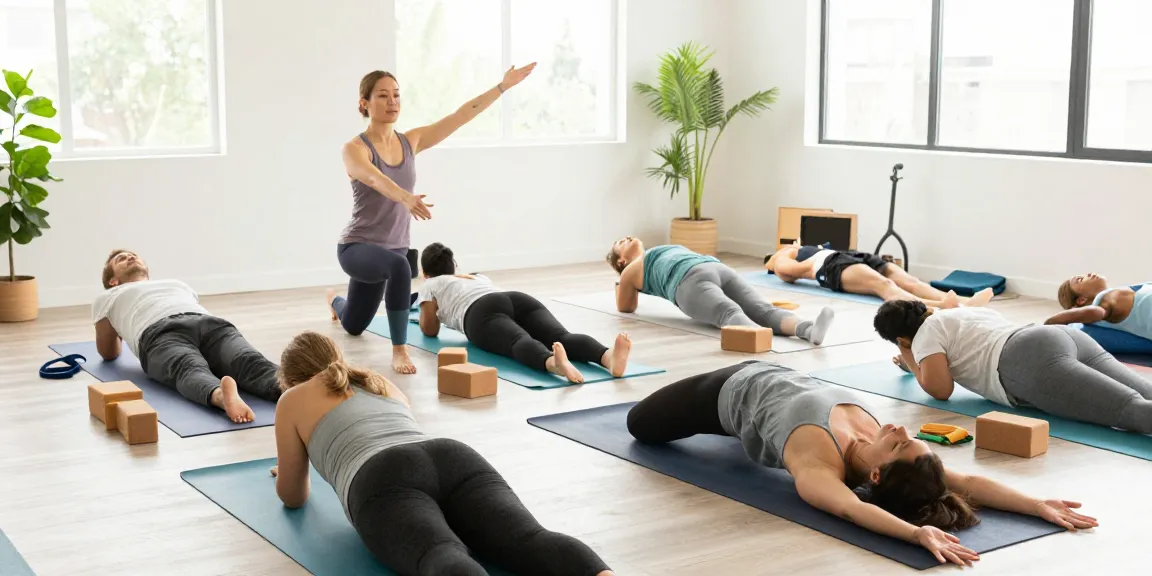
The Importance of Wellness Classes in Today's Society
In a fast-paced world where stress and sedentary lifestyles are increasingly common, the importance of wellness classes cannot be overstated. These classes are not merely a trend; they have become a vital component of a healthy lifestyle for individuals seeking to improve both their physical and mental well-being. From yoga to group cycling, wellness classes offer a variety of options designed to cater to different interests and fitness levels. When exploring options, https://www.koiaminos.com provides comprehensive insights into how these programs can enhance your health journey.
Understanding the Benefits of Group Exercise
Group exercise has been shown to have significant advantages over solo workouts. One of the primary benefits is accountability; when individuals commit to attending classes, they are less likely to skip workouts. Moreover, the motivation generated from exercising alongside others can enhance performance and lead to greater effort.
- Increased Motivation: The presence of peers often creates a supportive environment, encouraging individuals to push their limits.
- Variety of Workouts: Classes typically incorporate diverse exercises, helping to prevent boredom and plateaus in fitness progress.
- Professional Guidance: Many wellness classes are led by certified instructors who can provide expert advice and ensure exercises are performed safely and effectively.
Physical and Mental Health Benefits
The benefits of wellness classes extend far beyond just physical fitness. Engaging in regular exercise can improve cardiovascular health, increase strength, and enhance flexibility. On a mental level, physical activity has been linked to reduced symptoms of anxiety and depression, providing a natural antidote to stress. Additionally, the endorphins released during group workouts often lead to improved mood and overall life satisfaction.
Community Building and Social Interaction
Wellness classes foster a sense of community and belonging. Participants often form friendships with fellow attendees, creating a strong support network that can be vital for long-term health and wellness. This social interaction can lead to increased adherence to fitness regimens, as individuals are more likely to continue attending classes with friends and peers.
Choosing the Right Wellness Classes for You
Selecting the appropriate wellness class is crucial for ensuring a positive experience and achieving personal fitness goals. With numerous options available, it can be daunting to find the right fit. Evaluating your interests, fitness levels, and schedules are essential steps in this process.
Evaluating Different Types of Classes
Wellness classes encompass a wide range of activities, each offering unique benefits. Here are some popular types to consider:
- Yoga: Focuses on flexibility, mindfulness, and relaxation.
- Pilates: Enhances core strength and body awareness.
- Spin Classes: Provide a high-intensity cardiovascular workout.
- Dance Fitness: Combines movement with fun and music, appealing to those who prefer a lively atmosphere.
Finding the Best Fit for Your Schedule
Another important factor in choosing a wellness class is your schedule. Many gyms and studios offer various class times, including early morning, lunchtime, and evening sessions, making it easier to fit fitness into your busy life. Flexibility is key: look for classes that can adapt to your availability.
Expert Recommendations on Class Selection
Consulting with health and fitness professionals can provide valuable insights when selecting classes. Personal trainers and wellness coaches can help assess your fitness level and recommend classes that align with your goals. They also ensure that you're performing exercises correctly to avoid injury.
Measuring the ROI of Wellness Classes
Understanding the return on investment (ROI) for wellness classes involves looking beyond monetary costs and considering overall health improvements, including physical fitness and mental clarity. Exploring these aspects can help clarify whether the time and resources spent are worthwhile.
Quantifying Health Improvements
Tracking progress is essential for evaluating the effectiveness of wellness classes. This can be done through various methods, such as:
- Fitness Assessments: Regularly measuring key metrics like body composition, strength, and endurance can illustrate improvements over time.
- Mental Health Check-ins: Keeping a journal of moods and stress levels can help gauge mental well-being.
- Goal Setting: Establishing specific fitness goals can provide a benchmark for success.
Assessing Cost vs. Benefits
When considering the financial aspect of fitness classes, it's vital to weigh the costs against potential health benefits. Many people find that the investment in their wellness leads to fewer healthcare costs down the line, making it a prudent financial decision.
Long-term Investment in Your Health
Participating in wellness classes is not just about immediate fitness; it's a long-term investment in health. Regular exercise can prevent chronic diseases, enhance longevity, and improve quality of life, ultimately providing substantial returns that far surpass the initial costs.
Overcoming Barriers to Joining Wellness Classes
Many individuals hesitate to join wellness classes due to various misconceptions or fears. Addressing these barriers can open the door to a healthier lifestyle.
Common Misconceptions about Group Fitness
One prevalent misconception is that group fitness classes are only for advanced athletes. In reality, many classes cater to beginners and offer modifications to accommodate all fitness levels. Participants should feel empowered to ask instructors for guidance on how to participate safely.
Tips for First-Time Attendees
For those considering their first wellness class, here are some helpful tips:
- Arrive Early: Getting to class a bit early allows time to settle in and ask the instructor any questions.
- Wear Comfortable Clothing: Choose attire that enables free movement and is appropriate for the type of class.
- Hydrate: Remember to drink water before and during class to stay hydrated.
Success Stories from Regular Attendees
Hearing from individuals who have benefited from wellness classes can be incredibly motivating. Many attendees share stories of how these classes have changed their lives, improved their health, and fostered friendships. These narratives serve as powerful reminders that participating in group fitness can lead to significant lifestyle changes.
The Future of Wellness Classes: Trends for 2026 and Beyond
As the wellness industry evolves, it's essential to stay abreast of upcoming trends that will shape the future of wellness classes.
Incorporating Technology in Wellness Programs
Technological advancements have had a profound impact on fitness. From mobile apps that track progress to virtual classes that can be accessed anywhere, technology makes fitness more accessible than ever. In 2026, we can expect to see even more integration of technology within wellness programs, enhancing engagement and personal customization.
Emerging Trends in Group Fitness
Trends such as high-intensity interval training (HIIT) and holistic fitness approaches that combine mind and body practices are gaining popularity. The integration of mindfulness techniques, such as meditation and breathwork, into physical classes is also expected to rise, catering to a more health-conscious audience.
Predictions for Wellness Class Popularity
As awareness of the importance of physical and mental health continues to grow, the popularity of wellness classes will likely increase. Employers may also begin to offer wellness classes as part of employee health plans, reflecting a broader understanding of the value of health in workplace productivity.
What types of wellness classes are most effective?
Classes that incorporate a mix of strength training, cardiovascular exercise, and mindfulness are typically considered most effective for overall wellness. This combination addresses both physical fitness and mental health, which are essential for a balanced lifestyle.
How do I measure my progress in wellness?
Measuring progress can involve tracking fitness metrics like weight, strength, and endurance, but also mental clarity and mood. Keeping a journal or using health-tracking apps can help visualize improvements over time.
What should I expect in my first wellness class?
Expect a welcoming environment where the instructor will guide you through the exercises. Classes are often designed to cater to various fitness levels, allowing you to work at your own pace.
Are online wellness classes as effective as in-person ones?
Online wellness classes can be just as effective as in-person ones, especially when they provide quality instruction and engagement. However, some individuals may miss the community aspect of group classes, which can enhance motivation.
Can wellness classes help with mental health?
Yes, wellness classes have been shown to reduce symptoms of anxiety and depression and improve overall mental well-being by promoting physical activity and social interaction.